Authors
News Type
News
Date
Paragraphs

Distinguished alumni, their relatives, and friends gathered at SCPKU on October 8, 2019 to celebrate the 100th Anniversary of Yenching University, which until 1952 operated on the current site of Peking University. We were honored by the attendance of so many illustrious guests, including Isabel Crook, recent recipient of the Medal of Friendship awarded by President XI Jinping; He Liliang, a senior diplomat and wife of Yenching graduate, Huang Hua (former vice chairman of National People’s Congress); and Wei Mingyi, an alumnus of Yenching University and former president of the CITIC Group.
Image
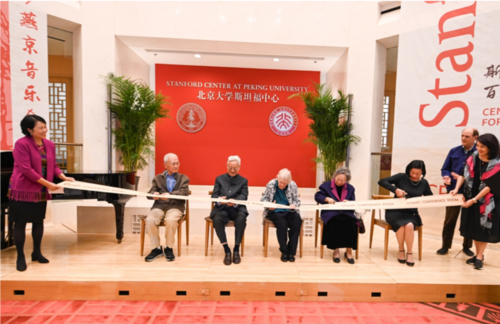
ribboncutting


Xu Wan, Han Jialin, Wei Mingyi, Isabel Crook, He Liliang, Jean Oi, Michael Crook, Xu Lian cutting the ribbon for the Stuart Room
 

Image
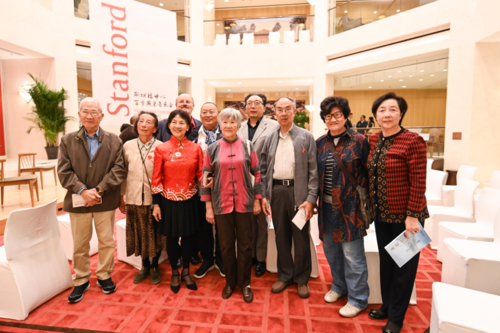
picture1

Front row: Children and friends of famous Yenching faculty. Back row: Carl Crook, artists Zhu Cheng and Li Bin. 
 

Image
picture2

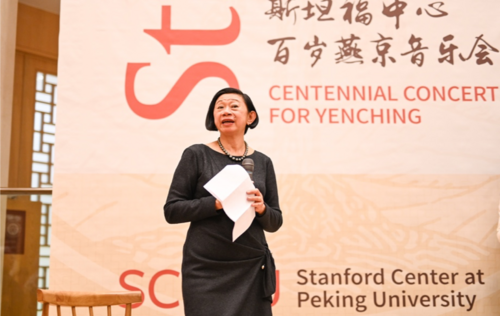
Jean C. Oi, the Lee Shau Kee Director of SCPKU

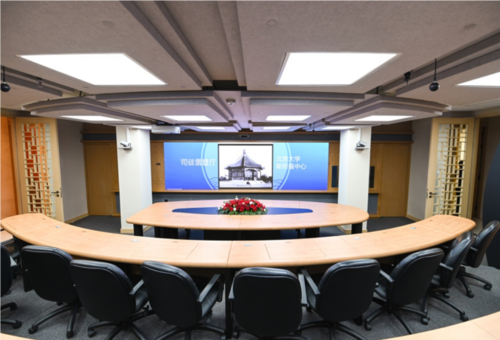
Jean C. Oi, the Lee Shau Kee Director of SCPKU, spoke about Yenching University as a model of collaboration and friendship between the US and China. She used the occasion of the 100 Anniversary of Yenching University to announce the opening of a new state-of-the-art conference room at SCPKU.
 

Image
picture9

John Leighton Stuart Room allows state of the art, real time connectivity to over 250 classrooms, labs, conference facilities, and offices at Stanford University. 


The room was made possible by a generous gift by Cheng Jiashu (Josh), Executive Director at SCPKU, and his wife, Xu Wan, who named the room in honor of the first Yenching University President, John Leighton Stuart. Oi in thanking Josh and his wife stated that the John Leighton Stuart Room (the Stuart Room) would greatly advance the efforts begun by Yenching University and Dr. John Leighton Stuart to further US-China relations.  Dr. Stuart’s efforts in furthering US-China relations are legendary and remain an inspiration to this day. Josh Cheng and his wife have deep ties to Yenching University and to Stuart. Stuart personally recommended Xu Wan’s father, Xu Xianyu, when he graduated from Yenching University to study for a Ph.D. in mathematics in the United States in 1936. After receiving a doctorate in the United States, Dr. Xu returned to teach at Yenching University as a professor of mathematics. Xu Wan’s mother, Han Dechang, was a Yenching University music department graduate, and Josh Cheng’s mother and uncle all studied at Yenching University.
Image
picture3

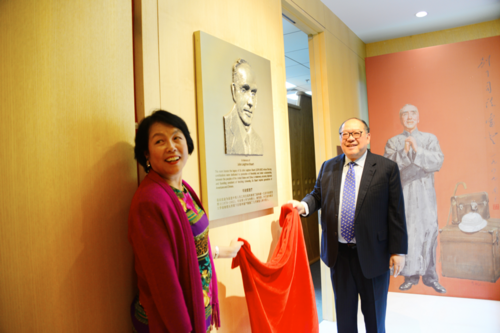
CHENG Jiashu (Josh) and his wife, Xu Wan, unveiling the relief of John Leighton Stuart, with the copy of Li Bin’s painting of Stuart in the background


Mr. Li Bin, eminent artist of Chinese modern history, provided a wall sized copy of his famous painting “Farewell, Leighton Stuart” (see picture above) to help celebrate the occasion.
Image
picture4

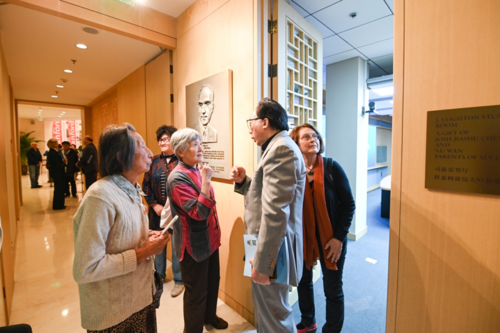
Artist Li Bin chatting with Professor Wu Qing, whose parents were faculty at Yenching University where President John Leighton Stuart attended their wedding
Image
picture5

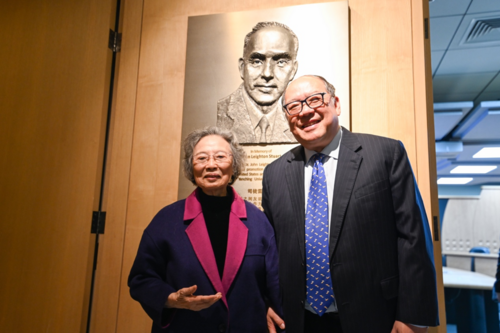
Cheng Jiashu (Josh) and He Liliang in front of John Leighton Stuart Room

Cheng Jiashu (Josh), in giving a brief history of Yenching University, noted the renewed attention Stuart has recently received from top leaders in China. He shows a clip of President XI Jinping at the G20 Summit in Hangzhou on September 4, 2016, when he identified John Leighton Stuart as one of the three historic bridge builders who helped to further establish the relationship and interaction between China and the world. President XI further added that “140 years ago, in June 1876, Mr. Stuart, who had served as US ambassador to China, was born in Hangzhou, in China. After living for more than 50 years in China, his ashes are placed in the Anxian Garden in the mid-levels of Hangzhou.”

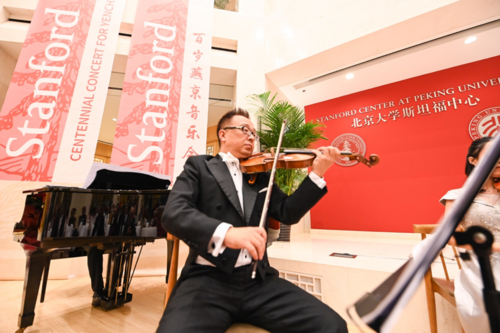
After the ceremony and short presentation by Josh Cheng on the history of Yenching University, the audience was treated to a jubilant concert, performed by Zhao Kunyu, the Concert Master of the China National Symphony Orchestra, and an ensemble of leading young Chinese musicians.
Image
picture6

Zhao Kunyu, Concert Master of the China National Symphony Orchestra
Image
picture7

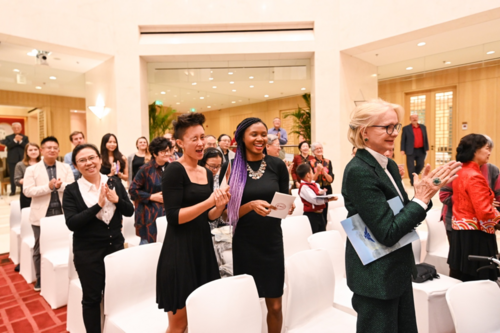
Listening to the concert and giving applause at the end of the evening

Hero Image
ribboncutting
All News button
1
-

The outcome of the 2016 American presidential election surprised many observers,but it provides an opportunity to reflect on both its historical and current determinants. This lecture will explore some of the deep structural features that have long characterized the American political system, as well as the social, economic, technological, and cultural issues that are shaping American politics today. 

This lecture will be in English.


2016年美国总统大选的结果令许多关注者感到震惊,但它提供了一个反思其历史及当前决定因素的机会。本次讲座将探讨美国政治体系长期以来的深层结构特征,以及社会、经济、科技和文化问题是如何形成了当今的美国政治局面。

讲座语言为英语。


主讲人/Speaker

David M. Kennedy

David Kennedy is the Professor of History Emeritus at Stanford University. He was awarded the Pulitzer Prize in history in 1999 for Freedom From Fear: The American People in Depression and War.


His teaching has included courses in the history of the twentieth-century United States, American political and social thought, American foreign policy, national security strategies, American literature, and the comparative development of democracy in Europe and America.


Reflecting his interdisciplinary training in American Studies, which combined the fields of history, literature, and economics, Kennedy's scholarship is notable for its integration of economic and cultural analysis with social and political history, and for its attention to the concept of the American national character.


David Kennedy是斯坦福大学历史系荣休教授。1999年,他的著作《免于恐惧的自由: 处于萧条和战争中的美国人民》获得普利策奖。


他的教学内容包括20世纪美国历史、美国政治和社会思想、美国外交政策、国家安全战略、美国文学、欧美民主比较发展等。


Kennedy教授对美国的跨学科研究成果,包括历史、文学和经济等领域,其突出的特点是将经济和文化分析与社会和政治历史相结合,并注重美国民族性格的概念。Kennedy教授的学术成就以其将经济和文化分析与社会、政治历史相结合,以及对美国国民性的关注而闻名。


讲座报名

请点击“阅读原文”或者登陆下面连接

http://web.stanford.edu/~sanjiu/myform.fb


Registration

Click "read the original (阅读原文)" 

or open the link below

http://web.stanford.edu/~sanjiu/myform.fb


Beijing Campus

Stanford Center at Peking University
The Lee Jung Sen Building
Langrun Yuan
Peking University
No.5 Yiheyuan Road
Haidian District
Beijing, P.R.China 100871

Tel: +86.10.6274.4170
Fax: +86 10-62760562


Lectures
News Type
News
Date
Paragraphs

Image
screen shot 2019 10 07 at 2 17 40 pm

Professor Luis de Lecea, Department of Psychiatry and Behavioral Sciences (Major Laboratories and Clinical and Translational Neurosciences Incubator), an SCPKU Faculty Fellow, organized a workshop on Sleep Regulation and Circadian Rhythms from Sept. 13-14 at SCPKU.

As many as 1/3 of adults experience serious sleep problems in their lifetime, yet the tools to treat sleep disorders have not increased significantly in the last 30 years. The last decade has seen unprecedented progress in basic science of sleep and China has generated an impressive number of publications at the forefront of this research area.  Prof. de Lecea and Dr. Wenjie Bian from Stanford convened a group of 13 researchers covering both basic and clinical aspects of sleep and circadian regulation.  Prof. Takeshi Sakurai from Tsukuba University and International Institute of Integrative Sleep Medicine delivered a keynote lecture on the neuronal circuitry of narcolepsy/cataplexy.  Dr. Zhian Hu from Chongqing Medical University showed evidence of a neuronal circuit controlling sleep and memory.  Dr. Zhili Huang from Fudan University showed recent data on the regulation of reward circuits by sleep. Dr. Xiao Bing Gao from Yale University provided evidence of the association between neuronal structures that regulate energy balance and sleep.  Dr. Wenjie Bian from Stanford presented his latest results on how sleep disruption during development affects social behavior in adults.  Dr. Qinhua Liu from NIBS in Beijing discussed his recent findings demonstrating a link between protein phosphorylation and sleep homeostasis.  Drs. Yun Kwok Wing from Hong Kong and Fang Han from the Peoples Hospital in Beijing and President of the Chinese Sleep Research Society presented clinical data on sleep disorders and narcolepsy.  The workshop was attended by ~20 students from PKU and other local institutions.  Participants concluded that this workshop was an innovative venue to discuss state of the art research and possible collaborations among researchers in the field of sleep neuroscience and medicine. 


Hero Image
screen shot 2019 10 07 at 2 17 40 pm
All News button
1
Authors
News Type
News
Date
Paragraphs

In my mind, the Great Wall of China is an unprecedented feat of engineering that symbolizes an epic transformation - a structure that once was meant to keep people out, now welcomes millions into the country. In many ways, our knowledge of Rheology and our outlook on China went through a transformation of a similar scale over the course of the 2019 SCPKU rheology seminar.

Image
wechatimg96

The rheology seminar offered by Prof. Gerry Fuller, started in mid-July with 15 students from diverse backgrounds – eight from Stanford and seven from the Chinese universities of Peking, Tsingua and Beihang. Together, over the course of eight lectures, we learned the fundamentals of rheology and its indispensable applications. The ones that excited us include predicting the stability of therapeutic solutions, designing materials for 3D printing and stabilizing/destabilizing foams and emulsions. The lectures were accompanied by two field trips that complemented the lecture content. The first one took us to a research lab in Beihang university where we got to observe advanced rheometric tools used to measure properties of soft living matter. The second one took us to the upstream and downstream divisions of the CNPC – one of the largest oil and gas producers in the world. There we learned about industry-grade high-throughput machinery used for enhanced oil recovery and processing. To top it off, the last two days of class were devoted to individual research presentations from students. This final session gave us a clearer understanding of the diverse research topics pursued by each student and the creative utilization of the material in different specializations. Aside from a good grasp of rheology, the seminar fostered strong professional connections and research collaborations. In particular, I am excited about a research collaboration that has been established between the research groups of Prof. Masao Doi at Beihang university and that of Prof. Gerry Fuller at Stanford.

Image
wechatimg94

Along with the professional connections, what made the whole experience truly memorable were the close personal friendships that were formed. Right from day one, every Stanford student was paired with a student from one of the Chinese Universities. What followed were unforgettable experiences – be it a trip within the campus or around the forbidden city – there was never a wasted moment. The icing on the cake was undoubtedly the last day of class. After an exuberant dinner at SunLiTun, we all took off for an essential KTV party. We celebrated through the night, singing a mix of Chinese, Spanish and English. (My personal favorite was of course the trip to the Great Wall, and did I mention that all the Stanford students now have Chinese names?)

To sum it up, I would like to highlight the message delivered by the executive director of SCPKU on the first day of class, which I believe also embodies the vision of the SCPKU and its supporters. We need future leaders who can enhance international relationships, embrace diversity and encourage science. What better way to secure this future than to bring eager young minds from leading universities together and encourage them to live, love and learn with each other before they take on global responsibilities. 

With amazing programs like these, I am hopeful that any walls that are built in the future, like the Great Wall of China, will be to celebrate science and bring people together.

Image
wechatimg125
Image
wechatimg97

Hero Image
trip greatwall
All News button
1
News Type
News
Date
Paragraphs

The Stanford Center at Peking University announced its newest pre-doctoral fellows and graduate seminar from July 2019 application round.


Image
wechatimg67

SCPKU Announces Newest Fellows and Graduate Seminar
 

Pre-Doctoral Fellows:

  • Sangyop Lee – Religious Studies, September, 2019
  • Tongtong Zhang – Political Science, Oct. 1 – Dec. 30, 2019
  • Nathan Hauthaler - Philosophy, Jan. 15 – June 15, 2020


Graduate Seminars:

Title: " Physical Activity and Health in China: Chronic Disease Consequences and Activity-Promoting Strategies in Adolescents and Young Adults "

  • Dates: June 29 - July 17, 2020
  • Instructor:  Randall Stafford, Professor of Medicine, School of Medicine
  • Eligibility: Enrolled Stanford University students in good academic standing
  • Stanford student application deadline: April 30, 2020
Hero Image
wechatimg66
All News button
1
Authors
News Type
Blogs
Date
Paragraphs

This summer I was very fortunate to be able to spend three weeks at the Stanford Center at Peking University (Běidà) for a short course on rheology. It was a really special opportunity for me to experience student life at my dad’s alma mater and get to know friends from Stanford, Peking, Tsinghua and Beihang University.

As we went out for meals, however, I quickly discovered that I was one of the only people on the trip who can’t handle spicy food! But don’t worry, if you’re like me, there are still plenty of delicious and affordable options to try in Beijing.

Image
wechatimg57

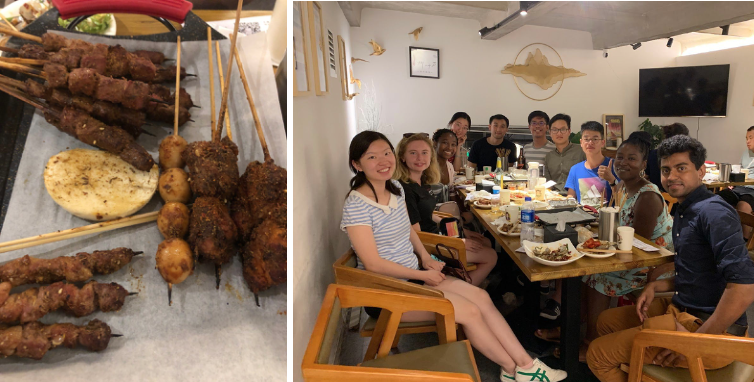
SCPKU Rheology Class of 2019! A big thank you to Prof. Gerry Fuller, our TA Vinny, the SCPKU team, and everyone in the class for a wonderful three weeks in Beijing!

First of all, if you travel there during the summer months, it will be very, very hot. The best way to beat the heat is to eat lots of fruit, mung bean (has cooling properties), and ice cream! The cafeterias at Beida had fresh cut fruit, and we all fell in love with the (~1 USD) red dragonfruit (hóng huǒ lóng guǒ) there. There are also lots of ice cream flavors that are hard to find in the US, like red bean, white peach, durian, taro, honeydew, grape, etc.

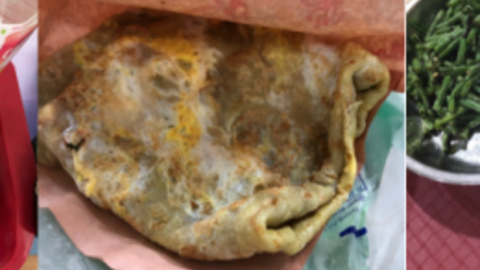
Next, Beijing/northern China is known for a lot of flour-based dishes, so be sure to try the dumplings (shuǐ jiǎo), steamed buns (bāo zi), fried dough (yóu tiáo), pancakes (bǐng) and noodles of all sorts (miàn tiáo). Also, if you go to a restaurant specializing in Beijing food, a lot of things on the menu will not be spicy, like Peking Duck (běi jīng kǎo yā) and Zhajiang Noodles (zhá jiàng miàn). A fun place on Beida campus to get a Beijing street food is the jian bing Jiānbing shop, which is essentially a savory crepe with egg, sauce, a crispy interior, plus whatever add-ons you want. (Caution: the sauce is a little bit spicy…)

Fod 1

Beijing also has lots of cuisines from other parts of China, so make sure to try dishes like Shanghai style soup dumplings, Yunnan pineapple rice, and Taiwanese pork rice!

Food 2


There are also lots of foods that you can pretty easily enjoy the non-spicy version of. Either you (or your friendly hosts!) can ask the waiter/waitress for no spice (miǎn là” or “bù yào là):

Food 3


Shredded chicken cold noodle (jī sī liáng miàn) and bean curd noodle with veggies and sauce (liángpí) -- still tasty without the chili oil!

Food 4


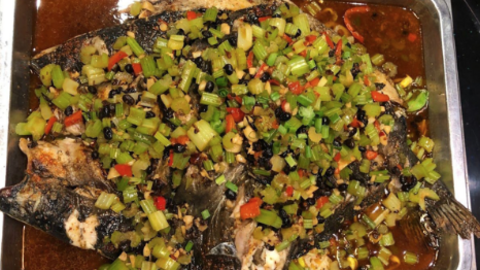
Hotpot (huǒ guō) and Grilled fish (kǎo yú) -- the spice is just in the broth, and there are many to choose from

Food 5


And finally, of course, desserts are not spicy! Shaved ice (bào bīng), sago (xī mǐ lù), bubble tea, fluffy pancakes, mooncakes and old Beijing desserts (lǘ dǎgǔn and wāndòu huáng) are some favorites of mine. A newly popular boba place called HeyTea (xǐ chá) also has fully customizable drinks in case it’s too late for caffeine.

Food 7


Overall, even if I couldn’t try all of the spicy foods, sharing meals was a great way to get to know everyone, and we all can’t wait to see our friends again. Who knows, maybe my spice tolerance will have gone up by then...


Hero Image
wechatimg62
All News button
1
Date Label
Authors
News Type
News
Date
Paragraphs

The 3rd Forum on Regulatory Science and Biomedical Innovations was successfully held on June 7-8th, 2019, at the Stanford Center at Peking University.

Initiated and organized by the Stanford Center for Innovative Study Design. The focus of this year’s forum is on the Real-World Evidence in Biomedical Product Development and Regulatory Science. About 150 international and Chinese scholars and researchers, US and Chinese regulators, and pharma/biotech leaders attended the event.

Over the last decade, significant strides have been made in medical research, which leads to great improvement in human health. With increasing availability of real-world data (RWD), such as electronic health and medical records and mobile health data, and rapidly evolving analytic techniques to generate real-world evidence (RWE) from the RWD, there are vast research interests in academia, industry, and regulatory agencies on how to use the RWE to inform regulatory decision and to assess the potential benefits and/or risks of medical products. On May 8, 2019, the US FDA published the draft guidance for industry on “Submitting Documents Using Real-World Data and Real-World Evidence to FDA for Drugs and Biologics.” On May 29, 2019, the Chinese National Medical Product Administration (NMPA) published their call for comments on the draft guidance on “Basic Considerations for Using Real-World Evidence to Support Drug Development.” Our forum was timely organized to discuss the challenges and research opportunities on the topic.

Three keynote speakers were invited, representing academia, government, and industry. Our first keynote speaker was Professor Ping-yan Chen, Chair of the Department of Biostatistics, Southern Medical University, Guangzhou, China. Professor Chen chaired development committee of tri-parties (Chinese academia, industry, and NMPA) for the Chinese draft of the guidance on RWE published on May 29, 2019. Professor Chen provided unique perspectives of their committee work and explained the considerations recommended in the guidance document. The second keynote speaker, Dr. Jing Chen, was from the Chinese NMPA on the evaluation of generic medications in China. The 3rd keynote speaker was Dr. Donald Yin, Vice President and Head of Economic and Data Science at Merck. He shared with us the examples and insights on the use of real-world data and evidence in the pharmaceutical industry.

Two invited panel discussions on “The Challenges and Opportunities for Using RWE in Medical Produce Development and Regulatory Oversights” and “Statistical Evidence on Regulatory Decisions” were also well received.

In addition, there were six invited scientific sessions on topics from the use of historical control data in confirmative trials, challenges in regulatory evaluation of generic drugs, diagnosis test and prediction models, Use of RWE for regulatory decisions, big data and artificial intelligence in precision health, and from the real work data to real world evidence.

Several feedbacks commented that this was the highest quality academic event in recent years.

The event was co-sponsored by the Stanford Center at Peking University and Peking University Health Science Center. The event was funded in part by mProbe and Merck.


Image

Hero Image
wechatimg43
All News button
1
Authors
News Type
News
Date
Paragraphs

The SCPKU summer workshop, "Chinese Corporations: A Case Study Workshop" led by Prof. Andrew Walder (Stanford) and Prof. Zheng Lu (Tsinghua) convened in Beijing on June 17th,  2019. A diverse student body from Stanford, Tsinghua, and Peking University meet three times each week for three weeks to do research on major Chinese corporations.

The 18 student participants in the workshop have their majors in social sciences, management, history, and engineering. Each Stanford student is paired with one Chinese-speaking partner to conduct in-depth case study on two major Chinese companies of their selection.

Each group selects two corporations, one state owned or controlled, the other private or of mixed ownership. Teams investigate the company's founding and history of expansion, including any restructuring, privatization, and listing on domestic or international stock exchanges. Of particular interest are the company’s structure of ownership and control, along with its business strategies. The comparison across state and nonstate owned corporations helps to understand the transformation of the country’s economy over the past 30 years and the inner workings of the Chinese model of development.


Selected Chinese corporations in study include: Huawei and Xiaomi (in telecom equipment and electronics); Greenland Holdings and China Vanke (in real estate); Tencent and JD (in social media and e-commerce); China Merchants Group and Cosco (in finance and shipping); Tsingdao Haier and the Midea Group (in appliances).  Course information can be found here.

Image

Hero Image
wechatimg28
All News button
1
News Type
News
Date
Paragraphs

Image
wechatimg22

PKUHSC (Peking University Health Science Center) delegation, headed by Prof. Zhan Qimin, Executive Vice President of Peking University and President of Peking University Health Science Center, visited Stanford on May 9, 2019.

Prof. Oi, director of SCPKU (Stanford Center at Peking University) hosted the event for the delegation joined by interested Stanford faculty and researchers.

SCPKU was founded in 2012 with a landmark building on PKU campus.  Over 1000 programs and events have been convened at SCPKU, Stanford has had 78 projects in 40 different departments with some components involving research or training in China, and 3,187 different Chinese co-authors have collaborated on publications with Stanford authors.

Image
screen shot 2019 06 30 at 10 29 24 am

SCPKU has fellows across campus, with the greatest number of faculty from the School of Medicine.  SCPKU will expand Stanford’s role in global education and research and enable all faculty to do research in China.

The PKUHSC delegation presented an overview of PKU Health Science Center, which gave exposure to the Stanford participants for matching their own work with the resources that PKU offered.

Image
screen shot 2019 06 30 at 10 29 35 am

A roundtable introduction/discussion followed Prof Oi’s talk between the members of the delegation and Stanford participants.  Both sides were interested in exploring further partnership in global health, life science, public health and emergency medicine.

Image
wechatimg23

The delegation had a meeting with Dean of the School of Medicine, Lloyd Minor (5th from right); Mijiza Sanchez (4th from right), associate Dean, office of Medical Student Affairs.

The delegation also met with Prof. Mark Cullen (4th from right), Director, Center for Population Health Sciences, Senior Associate Vice Provost for Research, Professor of Medicine, and discussed medical research and population health sciences.

Both sides agreed that a lot more could be done via the SCPKU platform in further exchange and exploration to formulate meaningful collaboration projects.

Stanford participants:   Jean Oi, director of SCPKU; Ann Hsing, research professor of medicine and a co-leader of the Population Sciences Program; Bruce Ling, professor of surgery; Hua Shan, professor of pathology; Jianghong Rao, professor of radiology; Karen Eggleston, senior fellow at FSI; Mathew Strehlow, professor of emergency medicine; Yang Hu, professor of Ophthalmology and Ying Lu, professor of biomedical data science.   PKU delegation members:  Qimin Zhan, executive vice president and president of Peking University Health Science Center; Weimin Wang, vice president of education; Ning Zhang, vice president of research; Jie Qiao, president, Peking University Third Hospital and director of National Clinical Research Center; Xiaojun Huang, director, institute of hematology; Qiudan Sun, director, office of International Cooperation of Peking University Health Science Center.

Hero Image
wechatimg22
All News button
1
-

Abstracts
Healthy Aging in Asia book.  Comparative Diabetics project, China and India
Karen Eggleston, Stanford University
How are health systems in Asia promoting evidence-based policies for healthy aging? What strategies have been tried to prevent non-communicable chronic diseases (NCDs), screen for early detection, raise quality of care, improve medication adherence, reduce unnecessary hospitalizations and increase “value for money” in health spending?
The chapters of this book contribute to the literature on how diverse economies of Asia are preparing for older population age structures and transforming health systems to support patients who will live with chronic disease for decades. Fifteen concise chapters cover multiple aspects of policy initiatives for healthy aging and economic research on diabetes and hypertension control in health systems as diverse as cities such as Singapore and Hong Kong to large economies such as Japan, India, and China. Topics include precision health and personalized medicine in Japan; China’s evolving family doctor system and its national demonstration areas for chronic disease control; cancer disparities and public- private roles in Taiwan; and policies for healthy aging in Korea and India. Several chapters draw on research led by the Stanford Asia Health Policy Program on the net value of chronic disease management programs throughout Asia, starting with analysis of detailed longitudinal, patient-level data on diabetes management as a lens for understanding the net value of medical spending for patients with complicated chronic diseases across diverse health systems.


Research on Avoidable Admission of Diabetes Based on the Qualitative and Quantitative Transformation Model
Qin Jiang, China National Health Development Research Center


How does the Rural-Oriented Tuition-Waived Medical Education Programme Work? Evidence from Shaanxi, China
Jinlin Liu, Xi’an Jiatong University
Background: Attracting and recruiting health workers to work in rural areas is still a great challenge in China. The rural-oriented tuition-waived medical education (RTME) programme has been initiated and implemented in China since 2010, which aims to enroll the medical students mainly from rural areas to work in township hospitals for 6 years after they graduate. Taking Shaanxi as an example, this study aims to examine the effect of the RTME programme on rural-oriented tuition-waived medical students’ (RTMSs) attitudes towards working in rural areas.
Methods: Two cross-sectional surveys were conducted in 2015 and 2019. The first questionnaire survey in 2015 was conducted among RTMSs from the first group of students enrolled in the RTME programme in Shaanxi. The second survey was key informant interviews which include government personnel, township hospital directors, and two RTMSs working in township hospitals. Quantitative and qualitative analysis methods were used.
Results: All the RTMSs of the first group have broken the initial contracts they signed when they were enrolled in 2010, which is basically consistent with the results of the first questionnaire survey in 2015. Of the 230 valid responses in the 2015 survey, 92.6% expressed their intentions of breaking the contract for working in rural township hospitals for 6 years after their graduation. Meanwhile, after the contract expired, only 1.3% intended to remain in the rural areas, 66.5% had no intention of remaining, and 32.2% were unsure. The factors related to a positive attitude among the RTMSs towards working in rural areas (no intention of breaking the contract) included being female, having a mother educated at the level of primary school or below, having a good understanding of the policy, having a good cognition of the value of rural medical work, and being satisfied with the policy. The factors related to a positive attitude of the RTMSs towards remaining in rural areas included being female, having a rural origin, having no regular family monthly income, having a father whose occupation was farmer, having a mother educated at the level of postsecondary or above, having the RTMSs be the final arbiter of the policy choice, having a good understanding of the policy, having a good cognition of the value of rural medical work, and being satisfied with the educational scheme.
Conclusions: Related policy makers and health workforce managers may benefit from the findings of this study. Appropriate strategies should be implemented to stimulate the RTMSs’ intrinsic motivation and improve their willingness to work in rural areas and to better achieve the objectives of RTME policy. Meanwhile, measures to increase the retention of RTMSs should also be advanced.

Changes in Sleep Duration Associated with Retirement Transitions: the Role of Nap
Rize Jing and Hai Fang, Peking University
In this study, we analyzed the impact of retirement on sleep duration for old people and this is a very interesting study for the aging population in China.

Study on the Influence Factors of the Disability Evolution and Status Duration of the Rural Elderly in China
Weihong Zeng, Xi’an Jiatong University
With the development of aging and urbanization in China, social security problem for elderly people in rural areas is becoming more and more prominent. The rural elderly disabled population increase along with the deepening of the degree of disability. It is necessary to research on the characteristics of the disability trajectory and the duration of the specific level of disability status for rural elderly, in order to establish the effective long term care policy system. Using a 6-wave longitudinal survey data from 2001-2015 “Survey on the Welfare of Elderly in Anhui Province, China”, this paper analyzed the disability trajectory and the duration of the different levels of disability status for rural elderly, meanwhile, explored influence factors for the trajectory and duration time. Finally, the policy suggestions were provided based on the study findings.

Utilization of Mixed Method to Evaluate the Impact of National NCD Demonstration Site in China
Juan Zhang, School of Public Health, Peking Union Medical College (PUMC) & China Academy of Medical Science
Background By the end of 2014, 265 districts/counties out of 2853 districts/counties across China has been nominated as National Demonstration Site or Shifanqu. We aimed to evaluate the implementation and impact of National NCD Demonstration Site.
Methods We utilized both sociological and epidemiological methods to collect both qualitative and quantitative data in November and December of 2016 for process evaluation and outcome evaluation. In the meantime, case study was conducted. Semi-structured interview and focus group was organized to collect the process of intervention activities, involvement of non-health sectors, and leadership of local government. A cross-sectional survey was conducted among 4,000 adults aged 18 and above residing in 10 Shifanqu out of 265 across China. Demographic information, participation and attitudes toward intervention activities, awareness and lifestyle-related NCD, early detection of Cancer, management of blood pressure and glucose were collected.
Results The 265 Shifanqu were well implemented to meet the requirement of accreditation, in particular, health education and health promotion, China Health Lifestyle for All initiative, surveillance and safeguard measures. A government-led and inter-section coordination and communication mechanism has been established, with more than 16 non-health departments actively involved in the implementation. About 28.7% of residents living in the National Demonstration Area for comprehensive prevention and control of non-communicable disease were aware of the key messages related to chronic disease, 72.1% consumed vegetables every day, 53.6% consumed fruits every day, and 86.9% walked at least 10 minutes per day. Over 70% of patients with hypertension or diabetes reported that they were managed by the Community Health Centers, and above 50% of them were managed by the Community Health Centers as the national policy required.
Conclusion The implementation of National Demonstration Site has become a platform for the control and prevention of non-communicable diseases locally, and can be an important carrier of chronic disease prevention and control in China.


Initiatives on Hypertension Control in Shandong Province
Wang Yan, Shandong Provincial Health Department, P.R.China
As a province with a population of 100 million in North China, Shandong province has a relatively high prevalence of hypertension and its complications. The prevalence rate of hypertension among people aged between 18 and 69 is 23%. There are 16.5 million patients with diagnosed hypertension. There are 560,000 new cases of STEMI and stroke every year. Over the past decade, in order to control hypertension, Shandong province has implemented a series of intervention measures, including promoting salt reduction and blood pressure self-tests, providing free or low-price essential drugs such as anti-hypertensives, and implementing programs for early screening of cardiovascular and cerebrovascular diseases, among other initiatives. Most of these efforts appear to have achieved their intended effects, but there is still room for improvement in hypertension prevention and control. Building on the basis of this previous work, Shandong province will launch new targeted policies and measures aiming to promote blood pressure control among the population through lifestyle management and standardized drug treatment.

Conferences
Subscribe to Asia-Pacific